Instagram, WhatsApp, or a Website - What Should Your Small Business Start With?
Many small business owners in Sri Lanka ask the same question: “Do I need Instagram, WhatsApp, or a website first?”
The honest answer is you’ll likely need all three eventually — but you don’t need to build them all at once. Each one does a different job in how customers find you, trust you, contact you, and buy from you. This guide breaks down what each channel does best, so you can decide what to set up first without wasting time or money.
Why This Question Matters
Time and budget are limited. Spread yourself across too many platforms and you end up with half-finished profiles, inconsistent messaging, and no clear path from “interested” to “paid.”
In Sri Lanka in 2026: WhatsApp is the default communication layer for almost everyone. Instagram and Facebook remain essential for SME awareness and leads. And a website is no longer a luxury — it secures your digital identity and gives you a platform you actually own.
The goal isn’t to be everywhere. It’s choosing the right first step for your business, then layering in the rest.
What Each Channel Actually Does
Think of these as a team, not competitors:
- Instagram = discovery engine. Best for visual businesses (fashion, food, beauty, travel, jewelry, cafes) getting attention through Reels, posts, and Stories.
- WhatsApp = relationship and conversion engine. Used by almost every small business for fast, private conversations, order confirmations, and support.
- Website = trust and ownership engine. Best for service businesses, B2B, and local retailers who need credibility, SEO, and automated enquiries.
Discovery: How Each One Gets You Found
Instagram is built for discovery — people scroll, then decide whether to follow, DM, or click your link. It helps when you post short videos, use local hashtags and location tags, share results or before/afters, and run small local ad campaigns. It’s especially strong for visual, youth-skewed businesses. Its limits: your reach depends on Meta’s algorithm, you don’t own your audience, and link options are restricted.
WhatsApp isn’t a discovery channel on its own — people usually message you because they saw you elsewhere, got a referral, or found your number on a flyer or business card. You support discovery by sharing your WhatsApp link everywhere, using broadcast lists for past customers, and making it easy for happy customers to forward your contact. It’s often the highest-converting channel because it’s private, fast, and personal — but it works best once someone already knows your name.
A website is where people land when they Google “web design Colombo” or a similar service search, or click through from social media. It supports discovery by ranking on Google, showing up on Google Maps, and acting as the destination for all your other traffic. It’s the one channel you actually own.
Trust: How Each One Builds Confidence
Instagram builds trust through real photos and videos, testimonials in Stories, consistent posting, and responsive DMs. An active profile signals a business is “real.” But an abandoned-looking profile or unclear bio makes people move on fast.
WhatsApp builds trust through quick, personal replies — clear communication, sending photos and invoices directly, and following up after a sale. A real person responding fast matters in a market wary of online scams. The risk is inconsistency: slow or rude replies damage trust quickly, and no business profile or greeting can look unprofessional.
A website builds trust by showing your brand, services, and contact details in one place, along with testimonials, case studies, pricing ranges, and secure contact or booking options. Many Sri Lankan customers still check for a proper website before committing to bigger purchases — it signals you’re established and here for the long term.
Enquiries: How Each One Handles Questions
Instagram enquiries usually show up as DMs or comments like “Price?” — great for quick pre-sale questions and cold-audience interest, but hard to manage at scale since long conversations get lost in chat threads.
WhatsApp is where most serious Sri Lankan enquiries end up: availability checks, customization questions, price negotiations, location requests. WhatsApp Business lets you add automated greetings, quick replies, catalogs, and labels to track leads. The downside is limited analytics if everything lives only in chat.
A website handles enquiries through structured contact forms, click-to-call and click-to-WhatsApp buttons, booking forms, and FAQ pages — capturing better information, filtering serious leads, and tracking which pages drive the most contact.
Sales: How Each One Closes the Deal
Instagram drives interest and first purchases — great for low- to mid-ticket, impulse-driven items — but struggles with complex pricing or high-risk purchases without a proper store link.
WhatsApp is where many Sri Lankan sales actually close: final prices, payment details, confirmations, and delivery arrangements, all in one thread. It’s ideal for high-touch, custom, or repeat sales, but relying only on manual chats limits how far you can scale.
A website scales sales by explaining your offer clearly, enabling online booking or checkout, showcasing proof points, and integrating payment gateways like PayHere or Stripe. It’s strongest for service businesses and higher-ticket offers, and increasingly becomes the most reliable channel over time.
So, What Should You Start With?
- Start with WhatsApp Business if you already get customers by word-of-mouth or walk-ins, most sales happen by call or message, and your budget is tight — it’s free, fast, and an immediate credibility boost.
- Start with Instagram if your business is highly visual, your customers are younger, and you can commit to posting 2–3 times a week. Without consistency, it becomes a dead profile.
- Start with a website if you’re a service business, consultant, clinic, or B2B company that people Google before contacting, and you want a long-term asset you actually own.
A Simple 90-Day Plan
Month 1 — Foundation:
Set up WhatsApp Business (profile, greeting/away messages, basic catalog, shareable link) and clean up your Google Business Profile (accurate details, photos, regular updates).
Month 2 — Add one discovery channel:
Pick Instagram/Facebook if you’re visual and social-first, or a simple 1–5 page website if you’re service-based and want search traffic. Connect it back to WhatsApp.
Month 3 — Connect and improve:
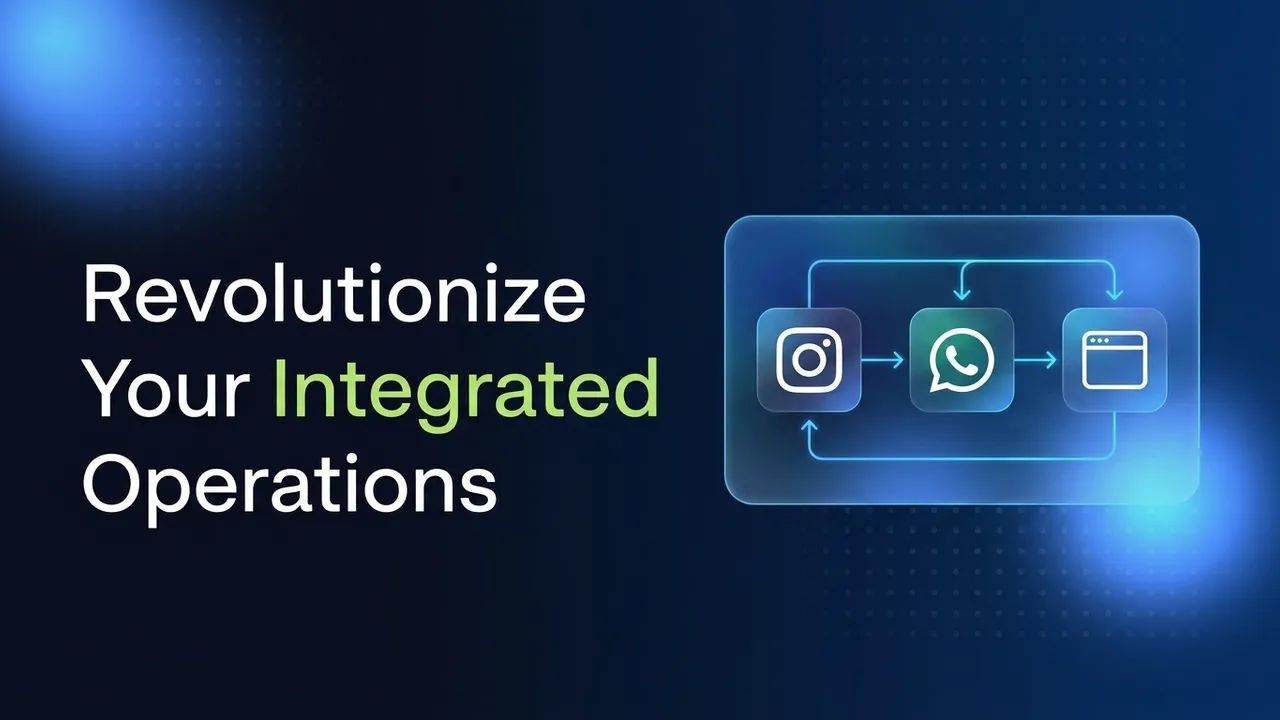
Get at least two channels working together (Instagram → WhatsApp, or Website → WhatsApp), see which brings the most enquiries, double down there, and plan your third channel as the next upgrade.
Final Thoughts
You don’t need to choose between Instagram, WhatsApp, and a website forever — just choose what to start with based on your business type and capacity. Use Instagram to attract attention, WhatsApp to build relationships and close sales, and a website to build long-term trust and own your digital presence. Start small, connect what you have, and improve one piece at a time.
Want a clear plan for your specific business? Start with our Web Audit or explore our services.